Do People Really Change Over Time?

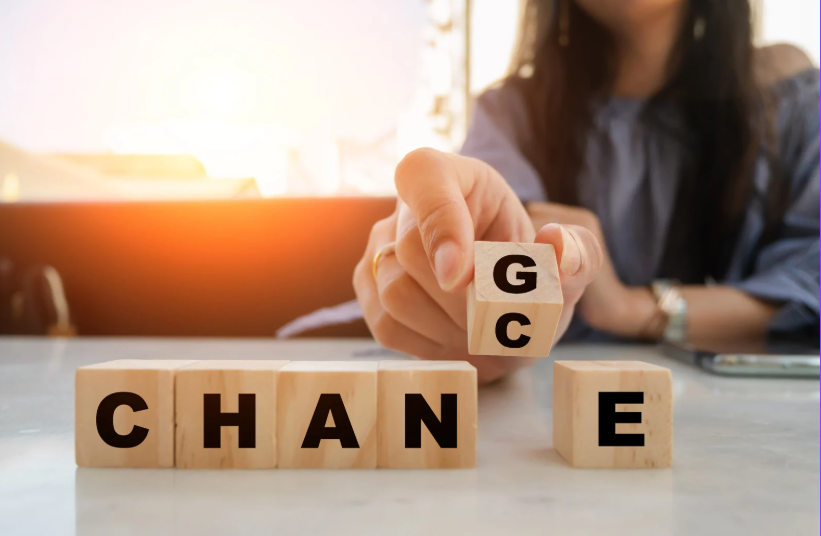
People do change over time, but not always quickly, completely, or in the ways others expect.
People often say things like “they’ll never change” or “people are who they are.” Others believe anyone can become almost anything with enough effort. The truth usually sits between those extremes.
Personality, biology, habits, relationships, experiences, and choices shape human beings. Some traits remain relatively stable, while other parts of life can shift dramatically. Change is real, but it tends to be gradual and layered rather than sudden and absolute.
Some Parts of Personality Stay Fairly Stable
Research suggests certain broad personality tendencies, such as introversion, conscientiousness, or emotional sensitivity, often show consistency across time. A naturally reserved person may never become the loudest person in every room.
But stability does not mean stagnation. An introvert can become socially skilled. A disorganized person can build reliable systems. A sensitive person can become more resilient. Core tendencies may remain, while behavior improves significantly.
You do not need to become a different species of person to grow.
Read Is It Bad To Not Like Socializing? for a clearer look at introversion.
Habits Change More Readily Than Identity
Many daily struggles come from habits rather than deep identity. Sleep patterns, communication style, fitness routines, spending behavior, and emotional reactions can all improve through repetition and practice.
Because habits are visible, these changes can be substantial. Someone who once procrastinated constantly may become dependable. A person who avoided hard conversations may learn to communicate directly.
Others may describe this as becoming a new person, but it is often the result of consistently practiced new patterns.
Learn How Do You Actually Stick To Good Habits? for practical ways to make change last.
Experience Reshapes Perspective
Life events can alter people profoundly. Love, grief, parenthood, failure, illness, success, trauma, travel, faith, education, and responsibility often change priorities and worldview.
A person who once chased status may come to value peace. Someone focused only on themselves may become more compassionate after hardship. Another may grow more confident after surviving what once seemed impossible.
Perspective shifts are among the most powerful forms of change because they influence future choices.
Motivation Matters
People change more reliably when the desire comes from within. External pressure can create temporary compliance, but lasting change usually requires personal ownership.
This is why ultimatums, lectures, or wishes that someone would transform often lead to disappointment. A person may need to recognize the cost of staying the same before they fully commit to growth.
Readiness cannot always be forced from the outside.
Explore Why Do People Resist Change Even When It’s Good? for insight into fear and hesitation.
Change Is Rarely Linear
One reason people doubt change is that progress often includes setbacks. Someone may improve for months, then relapse into old behavior during stress. That does not automatically mean the growth was fake.
Learning usually happens in cycles. People practice, fail, adjust, and try again. Two steps forward and one step back can still be progress over time.
Expecting perfect transformation often causes people to miss genuine improvement.
Relationships and Environment Influence Growth
People do not change in isolation. Supportive relationships, accountability, therapy, mentorship, and healthy environments can accelerate growth. Toxic settings can reinforce old patterns.
Sometimes a person changes dramatically, not because they discovered hidden superpowers, but because they finally entered conditions where healthier behavior was possible.
Context matters more than many people realize.
Check What Is Emotional Intelligence And Why Does It Matter? for a deeper look at self-awareness.
How to Think About Change Realistically
Yes, people really do change over time. But change usually means becoming a more developed version of yourself, not turning into someone unrecognizable overnight.
If you want a change in your own life, focus on behaviors, systems, environment, and honest self-reflection. If you are waiting for a change in someone else, look for consistent patterns rather than promises.
Growth is real. It is just slower, messier, and more practical than dramatic stories make it seem. The most meaningful change often happens quietly, through small choices repeated long enough to become a new normal.
