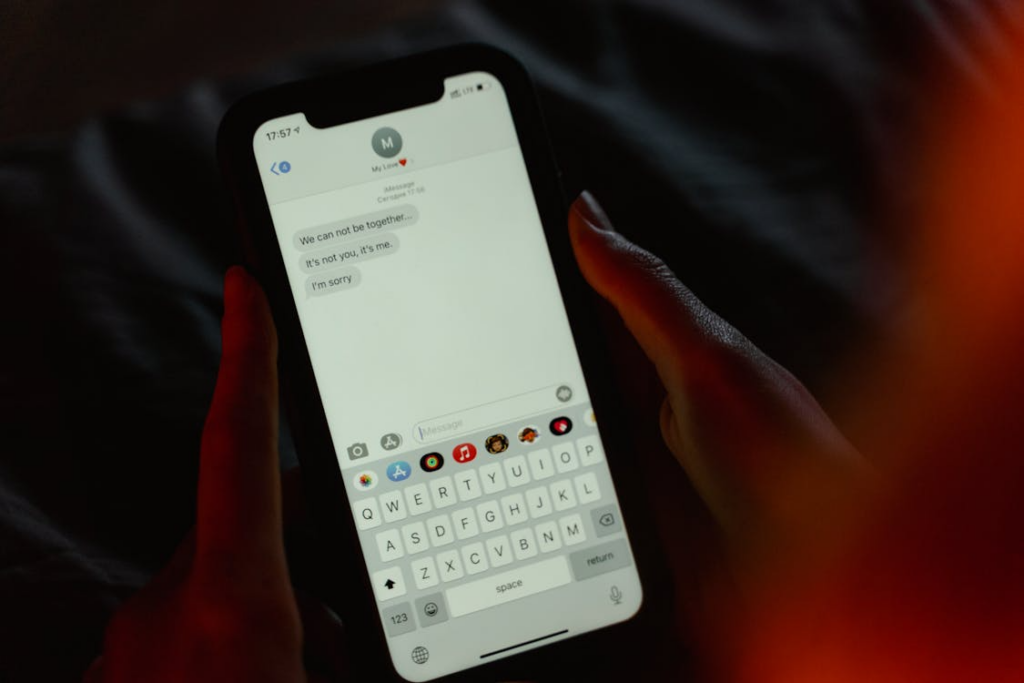

The key question is not whether you love socializing, but whether your current pattern supports your well-being.
No, it is not automatically bad to dislike socializing. Many people prefer solitude, small groups, or selective connections over frequent parties, networking, or constant group activity. That preference alone does not mean something is wrong with you.
Modern culture often rewards visible sociability, which can make quieter people feel defective. But enjoying less social stimulation can reflect personality, temperament, values, energy style, or life stage rather than a problem that needs fixing.
Preference Is Not the Same as Dysfunction
Some people genuinely recharge alone. Long conversations, crowded events, or frequent gatherings may feel draining rather than energizing.
That does not make them antisocial. It means their nervous systems and preferences may differ from those of people who gain energy from constant interaction.
Needing more quiet time is a trait, not a moral failure.
Read How Do You Stop Comparing Yourself To Others? for help with social pressure.
Introversion Is Often Misunderstood
Introversion does not mean shyness, insecurity, or poor social skills. It usually refers to where energy is restored.
An introverted person may enjoy deep conversations, meaningful friendships, and occasional events, but still needs time to recover afterward.
Many introverts are warm, confident, and socially capable. They prefer depth over volume and quality over frequency.
See Why Do People Care So Much About What Others Think? for social pressure insight.
When Avoidance Is Different
Not liking socializing can sometimes come from anxiety, depression, burnout, past hurt, or low self-worth rather than a genuine preference.
The difference often shows in desire. Do you want connection but avoid it from fear? Do you feel lonely but stuck? Do you dread judgment more than conversation itself?
If so, the issue may not be socializing. It may be painful standing in front of it.
You Still Need Some Form of Connection
Humans generally need some level of belonging, but belonging does not have to look like a busy social calendar.
For one person, connection may mean a partner and two close friends. For another, an online community, family bond, or weekly hobby group may be enough.
There is no universal quota of parties required for a healthy life.
Explore Why Do I Feel Lonely Even Around People? for deeper connection clarity.
How to Build a Social Life That Fits You
Design a connection around your actual needs. Choose smaller gatherings, one-on-one time, interest-based communities, or shorter interactions instead of forcing yourself into draining environments.
Protect your energy without isolating completely. If social anxiety is part of the pattern, start with low-pressure interactions that feel manageable rather than avoiding connection altogether.
Be honest with trusted people. Saying, “I enjoy time together, I just need quiet time too,” often works better than disappearing.
When to Reevaluate Your Pattern
It may be worth reflecting on whether your dislike of socializing is accompanied by loneliness, resentment, fear, or a sense that life is shrinking.
Sometimes people adapt to avoidance so well that they stop noticing the cost. A preference for peace can quietly become a prison of disconnection.
The goal is not to become highly social. It is to ensure your habits align with what you truly need.
Check What Is Emotional Intelligence And Why Does It Matter? for self-awareness basics.
You Do Not Need to Love Crowds to Be Healthy
There is nothing inherently superior about being the most outgoing person in the room. Some of the most thoughtful, creative, and grounded people live socially smaller lives.
What matters is whether you feel connected enough, understood enough, and free enough to be yourself.
So no, it is not bad to not like socializing. It may simply mean your version of a good life is quieter than someone else’s.