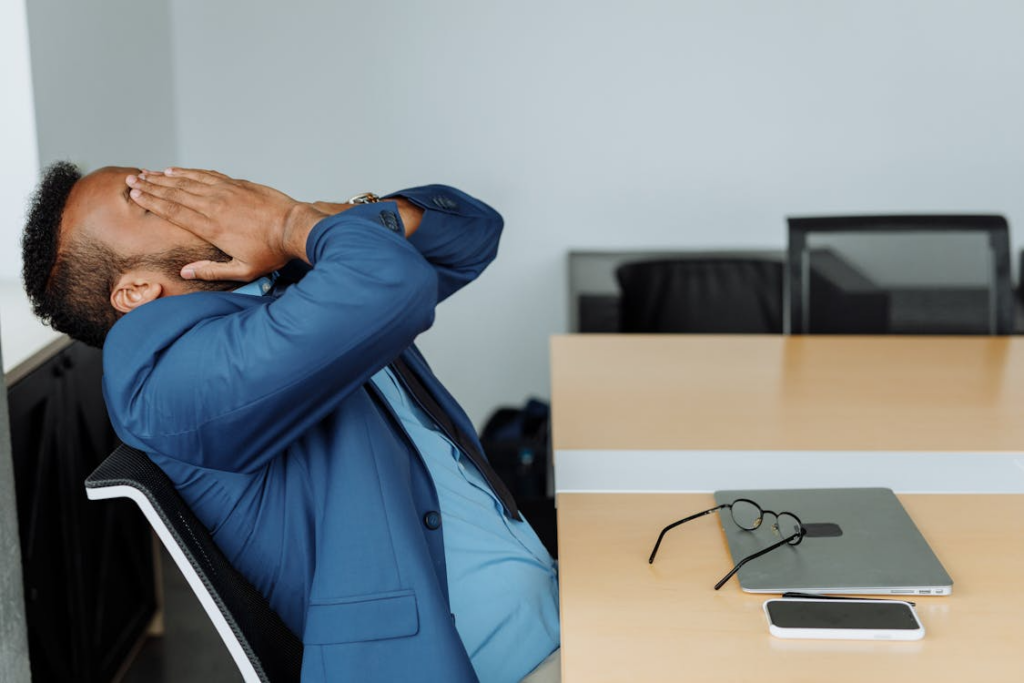

Feeling tired even after sleeping is common, but it should not automatically be treated as normal.
Sleeping for seven, eight, or even nine hours should make you feel restored. So when you wake up exhausted anyway, it can be frustrating and confusing. Many people assume that more sleep is always the answer, but tiredness after sleep is often due to sleep quality, health, stress, or lifestyle factors rather than just time in bed.
Fatigue is the body’s way of signaling that something may be out of balance. Sometimes the cause is simple and fixable. Other times it deserves closer attention.
Sleep Quantity Is Not the Same as Sleep Quality
You can sleep for many hours without getting restorative sleep. Frequent waking, shallow sleep, snoring, restless movement, or breathing interruptions can prevent the body from reaching the deeper stages of sleep that support recovery.
This is one reason people can spend enough time in bed and still wake unrefreshed. The clock may show eight hours, but the body may have experienced fragmented recovery.
Poor sleep environments can also matter. Noise, light, uncomfortable temperatures, alcohol, late caffeine, and screen use before bed may all reduce sleep quality.
Read Why Do People Wake Up Right Before Their Alarm? for another sleep-related pattern.
Stress and Mental Health Drain Energy
Stress not only affects the mind. It affects the nervous system, hormones, concentration, and physical energy.
When stress stays elevated, the body can remain in a state of tension even during rest. You may sleep, but not fully recharge. Anxiety can also create racing thoughts, lighter sleep, and early waking.
Depression often includes fatigue as well. Some people describe it less as sadness and more as heaviness, low energy, and difficulty starting basic tasks.
Learn How Do You Know If You’re Burned Out Or Just Lazy? for related exhaustion clarity
Lifestyle Habits Can Quietly Cause Fatigue
Low movement, poor nutrition, dehydration, and inconsistent schedules can all contribute to constant tiredness.
Regular exercise often increases energy over time, even though it uses energy in the moment. Long periods of inactivity can make the body feel more sluggish.
Meals matter too. Large swings in blood sugar, not eating enough, or relying heavily on ultra-processed foods can affect energy stability throughout the day.
Explore Why Do We Crave Junk Food Late At Night? for another energy and habit clue.
Medical Causes Are Worth Considering
Persistent fatigue can sometimes be linked to medical issues such as anemia, thyroid problems, sleep apnea, vitamin deficiencies, chronic pain, infections, or other health conditions.
Certain medications can also cause drowsiness or brain fog. If tiredness began after starting a new medication, it may be worth discussing with a healthcare professional.
Fatigue is a broad symptom, which means context matters. Patterns, timing, and other symptoms help identify the cause.
What You Can Do Right Now
Start with the basics. Keep a consistent sleep schedule, reduce late caffeine, limit alcohol close to bedtime, and aim for a cool, dark sleep environment.
Get morning daylight exposure if possible. Natural light helps regulate body rhythms and can improve sleep timing and alertness.
Move your body regularly, eat balanced meals, and hydrate consistently. These habits may sound simple, but they often have powerful effects when practiced steadily.
Track your symptoms for a week or two. Note sleep hours, stress levels, energy dips, snoring, mood, and habits. Patterns can be surprisingly revealing.
Check How Do You Actually Stick To Good Habits? for building steadier routines.
When to Seek Help
If fatigue is ongoing, worsening, or affecting work, relationships, mood, or daily functioning, it is worth seeking medical advice.
Also, pay attention if tiredness is accompanied by loud snoring, gasping during sleep, unexplained weight changes, depression, dizziness, pain, or other concerning symptoms.
Sometimes people normalize exhaustion for years when there is a treatable issue underneath it.
Feeling Tired Is Information
Constant tiredness is not always a character flaw or proof that you need to “try harder.” Often, it is feedback from the body or mind asking for change, support, or investigation.
The goal is not to blame yourself for being tired. It is to get curious about why.
When the real cause is addressed, energy often improves in ways that more time in bed alone never could.