Why Do We Crave Junk Food Late At Night?

What feels like weakness is often a predictable pattern with understandable causes.
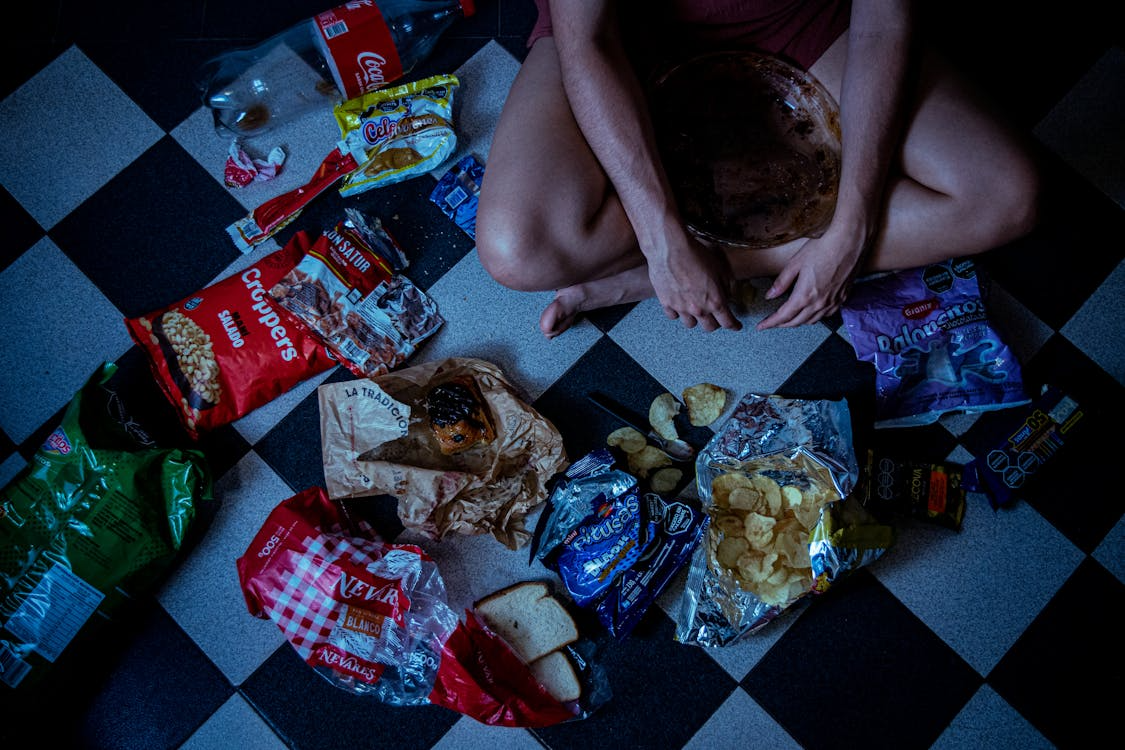
Late-night junk food cravings can feel irrational. You may eat balanced meals all day, then suddenly want chips, cookies, pizza, or ice cream right before bed. For many people, this is not a lack of willpower. It is the result of biology, emotion, habit, and environment all meeting at the same time.
The reason why we crave junk food at night is that the body is tired, self-control is lower, routines are established, and highly rewarding foods are easy to reach.
Your Brain Wants Fast Reward at Night
By evening, mental energy is often reduced. After a full day of decisions, work, errands, and stress, the brain naturally seeks relief and comfort.
Highly processed foods are designed to be rewarding. They combine sugar, fat, salt, and texture in ways that quickly activate pleasure and motivation systems in the brain.
When you are mentally tired, immediate rewards become more appealing than long-term goals. That is why broccoli rarely wins against cookies at 10:30 PM.
Explore Why Do Some People Love Spicy Food? for insight into food rewards.
You May Actually Be Undereating Earlier
Some late-night cravings begin much earlier in the day. Skipping meals, eating too little, or relying on low-protein foods can leave the body playing catch-up at night.
If your energy intake has been low, hunger may show up strongest when you finally slow down. At that point, the body often asks for calorie-dense foods because they provide quick energy.
Many people think they lack discipline at night when the real issue is that their daytime nutrition messes up their hunger hormones and appetite regulation.
Emotion and Habit Matter Too
Nighttime is when distractions fade. Once work ends and the house quiets down, stress, boredom, loneliness, or anxiety can become more noticeable.
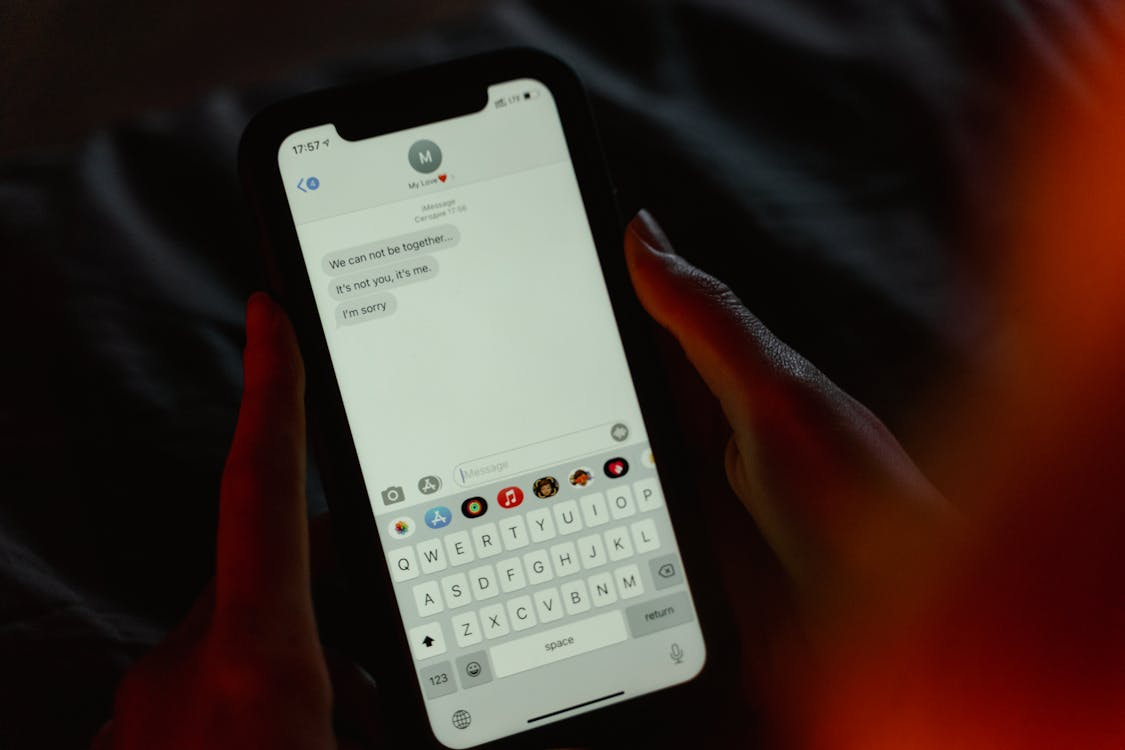
Food can become a coping tool. It offers comfort, stimulation, or a break from uncomfortable feelings. Even if it helps only briefly, the brain learns the association.
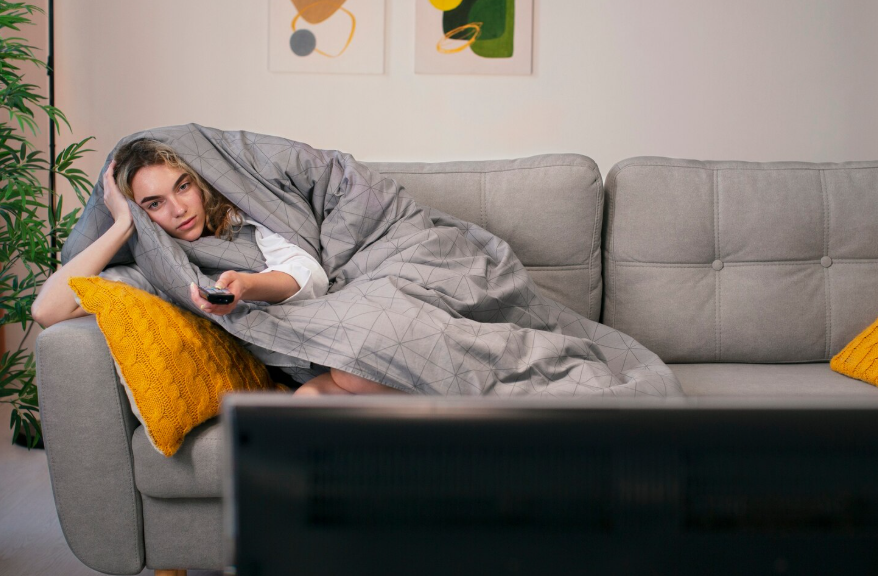
Habit strengthens this further. If you usually eat snacks while watching TV or scrolling online, your brain starts expecting food whenever that routine begins.
Learn How Do You Actually Stick To Good Habits? for practical, repeatable routines.
Environment Makes Cravings Easier to Follow
Willpower has to fight what is nearby. If highly tempting foods are visible, convenient, and ready to eat, cravings are easier to act on.
The opposite is also true. When the kitchen is stocked with satisfying alternatives and trigger foods are less accessible, cravings often lose intensity.
The environment does not remove desire completely, but it changes how hard you must work to respond differently.
See Why Do We Procrastinate Even When We Know Better? for insight into automatic choices.
How to Reduce Late-Night Cravings
Start with earlier meals. Eat enough during the day, include protein and fiber, eat balanced meals, and avoid arriving at night overly hungry.
Create a new evening ritual. Herbal tea, fruit with yogurt, reading, stretching, or a short walk can replace the automatic snack cue.
Pause before eating and ask what you need. Is it hunger, stress relief, stimulation, comfort, or a simple habit? The answer matters because hunger and emotion need different solutions.
Improve sleep where possible. Poor sleep can increase appetite signals and make rewarding foods more tempting the next day.
Read Why Do I Feel Tired All The Time Even After Sleeping? for more context on fatigue.
You Do Not Need Perfect Control
Craving junk food at night is common because evenings combine fatigue, emotion, routine, and easy access to reward. That is a powerful mix.
The goal does not have to be never eating treats. It can be understanding the pattern, reducing automatic behavior, and making more intentional choices.
Sometimes the smartest question is not “Why am I so weak?” but “What keeps creating this craving?”
When you answer that honestly, change becomes much easier.