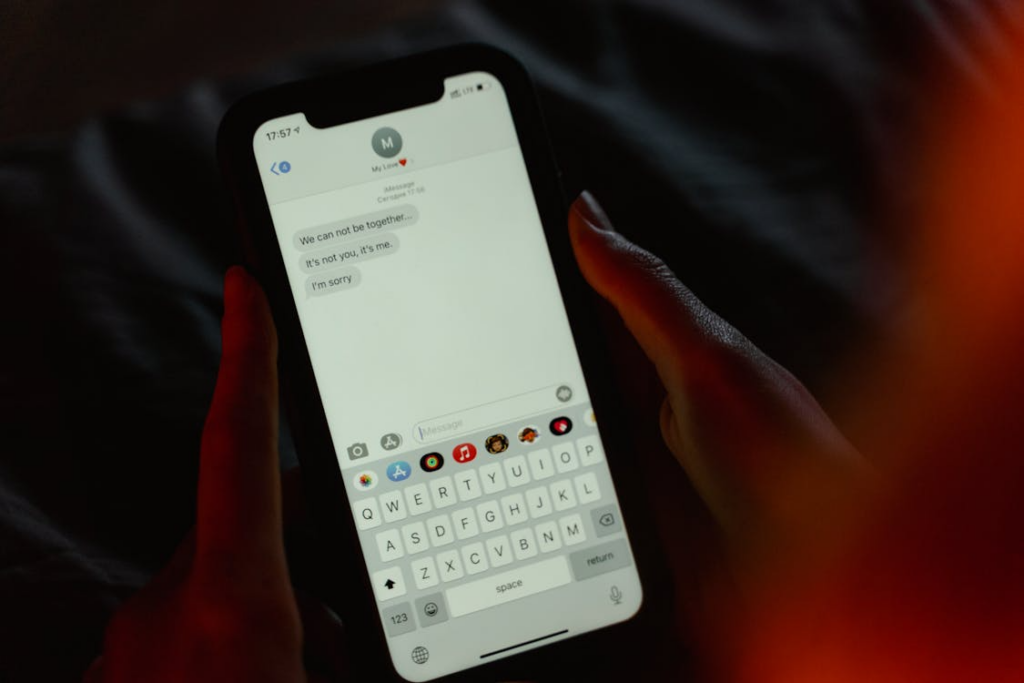

The reason friendships fade is often less about failure than about changing life circumstances. As people age, time, energy, priorities, geography, and identity all shift.
Many adult friendships do not end with a fight or dramatic betrayal. They simply grow quieter. Messages slow down, schedules stop aligning, and people who once felt central to your life become occasional updates or holiday greetings. That gradual fading can feel confusing or even painful.
Relationships that once formed naturally may require far more intentional effort to maintain.
Adult Life Changes the Structure of Connection
In school or early adulthood, friendships often grow through proximity. You see the same people daily in classes, at work, in neighborhoods, or at shared social events.
Later in life, built-in contact decreases. Careers become demanding, families grow, responsibilities expand, and free time shrinks. Without regular overlap, social connection can weaken even when affection remains.
Many friendships do not disappear because people have stopped caring. They disappear because the structure supporting them has changed.
Time and Energy Become More Limited
Friendship needs attention, but adulthood often creates competing demands. Work deadlines, caregiving, relationships, health concerns, parenting, and financial pressure can consume available energy.
Even meaningful friendships may slide lower on the list simply because survival tasks come first.
This is one reason adults often say they miss people deeply, yet rarely reach out. Caring and capacity are not always the same thing.
Read Why Does Time Feel Faster As You Get Older? for another look at aging and time.
People Grow in Different Directions
As life unfolds, values, interests, habits, and identities can shift. Two people who matched well at twenty may feel very different at forty.
Sometimes one person becomes more ambitious, more family-focused, more private, more adventurous, or more introspective. Neither person is wrong, but compatibility can change.
Not every friendship is meant to fit every version of who you become.
See Is It Bad To Not Like Socializing? for insight into changing social needs.
Low-Maintenance Can Become No-Maintenance
Many adult friendships rely on the idea that “we can pick up anytime.” Sometimes that is true and healthy.
But if no one initiates for months or years, low-maintenance can slowly become no-maintenance. Good intentions are not always enough to sustain closeness.
Relationships usually need some rhythm, even if that rhythm is lighter than it once was.
Social Media Can Create the Illusion of Connection
Modern life allows people to stay aware of one another without actually staying connected. You may know someone who has changed jobs, moved to a different city, or had a baby from posts and stories.
That can create a sense of ongoing contact while real conversation disappears.
Seeing updates is not the same as being known, supported, or emotionally involved in each other’s lives.
Explore Why Do I Feel Lonely Even Around People? for more on surface-level connection.
How to Protect Important Friendships
Be more intentional than you think you need to be. Send the message first. Schedule the call. Suggest the coffee date. Small, consistent efforts matter more than grand gestures.
Accept new forms of friendship. A monthly check-in may replace daily hangouts. A voice note may replace long nights out. Connection can evolve without becoming less real.
Also, notice reciprocity. Some friendships deserve effort; others may have naturally completed their season.
Check What Makes A Relationship Actually Last? for habits that help bonds endure.
Fading Does Not Erase What Was Real
A friendship becoming distant does not mean it was meaningless. Some relationships are deeply important for a chapter of life rather than for life forever.
That can still be worth grieving. It can also be worth honoring.
Adult friendship often requires more intention, flexibility, and acceptance than younger friendship. The challenge is real, but so is the possibility of building meaningful connections again, with old friends, new friends, or both.